The Surprising Reasons Why UK Horse Racing is Not On
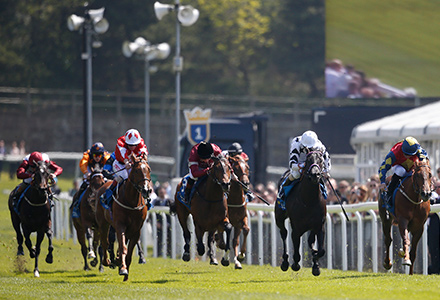
The Surprising Reasons Why UK Horse Racing is Not On
Horse racing has been an integral part of the UK’s cultural landscape, drawing audiences from all walks of life. However, there are times when racing events are unexpectedly called off or postponed. In this article, we will delve into the multifaceted reasons behind the suspension of horse racing events in the UK, illustrating how factors such as weather conditions, regulatory changes, and public health concerns can have significant impacts on this beloved sport. Additionally, we will touch upon the role of organizations like the UK horse racing not on GamStop Merseyside Mounted Police, who provide safety and support during these events.
Weather Conditions
One of the main reasons for race cancellations in the UK is adverse weather. The unpredictable and often inclement British climate can severely alter the ground conditions of racecourses. Heavy rain can lead to waterlogged tracks, while a sudden freeze can lead to icy surfaces that pose dangers both to horses and jockeys. The British Horseracing Authority (BHA) closely monitors weather conditions and regularly assesses track suitability. If the conditions are deemed unsafe, races can be postponed or canceled altogether, ensuring the safety of participants is prioritized.
Regulatory Changes
The horse racing industry in the UK is subject to a myriad of regulations intended to maintain the integrity of the sport. Occasionally, changes to these regulations can prompt race officials to reevaluate upcoming events. For example, if there are shifts in medication rules or racing standards, races may be postponed to allow for compliance checks or adjustments to training protocols. Such regulatory adjustments are essential for maintaining fairness in the sport but can inadvertently lead to the disruption of the racing calendar.
Public Health Concerns
Public health situations can also be a significant factor impacting horse racing in the UK. The COVID-19 pandemic is a stark example where the racing world faced unprecedented challenges. Initially, all racing was halted, and when it resumed, it was met with strict adherence to health guidelines, including limited spectators and stringent protocols for participants. Similar public health emergencies, whether due to outbreaks of disease affecting horses (like equine flu) or human health crises, can lead to the suspension of racing events.

Economic Factors
Economic factors, including sponsorships and funding, can also influence the scheduling of horse racing events. If a significant sponsor withdraws support or if the broader economy is adversely affected, it can lead to reduced race days or the cancellation of specific events. The balance between the financial viability of maintaining the sport and the operational costs associated with races is crucial for the continuation of horse racing as a popular pastime in the UK.
Logistical Issues
Logistics play a critical role in the successful execution of horse racing events. From transportation of horses to securing medical staff, any disruptions in logistics can lead to event postponement. Issues like conflicts with other major events, construction work on racecourses, or logistical challenges influenced by severe weather can lead to the cancellation of races. Adequate planning and flexibility are essential for organizers to adapt to these situations and ensure that racing remains a safe and enjoyable experience.
Impact of Technology
With the rise of technology, the way horse racing operates has also changed. Advances in tracking systems, betting technologies, and even virtual racing events can shift public interest and resources away from traditional racing formats. This evolution can lead to a reconsideration of how and when racing events occur. While technology is a boon for the industry, it is essential for stakeholders to ensure that traditional racing does not suffer from neglect during periods of technological transition.
Conclusion
In conclusion, the suspension of horse racing events in the UK is a complex issue stemming from various factors. From the unpredictability of the British weather to regulatory changes, public health concerns, economic considerations, logistical challenges, and the impact of technology—all these elements play a role in determining the status of racing events. Understanding these factors can help fans and stakeholders navigate the intricacies of the sport more effectively, anticipating changes and adapting to them in stride. By prioritizing safety, regulation compliance, and embracing both tradition and innovation, the UK horse racing landscape aims to continue thriving even in the face of unforeseen challenges.